I remember the first time I wore a shirt that said something uncomfortable. It was a simple black tee with a satirical slogan aimed at a local politician. I was twenty-two, standing in line at a grocery store, and a stranger grabbed my shoulder. He laughed, said he agreed, and asked where I got it. That moment stuck with me not because I had started a conversation, but because I had used clothing as a form of free expression. It was my first real encounter with free speech apparel, even if I didn't call it that at the time.
Years later, that experience shaped how I think about what we wear. A shirt is not just fabric. It is a canvas, a statement, and sometimes a legal test. The First Amendment protects our right to speak our minds, but it also protects how we dress when that dress carries a message. That is the core of what free speech apparel represents. It is clothing designed not just to cover your body, but to broadcast an idea, often one that challenges the status quo.
The Clothes We Wear as Protest
Protest t-shirts have a long history in the United States. From the civil rights era to the anti-war movements of the 1960s and 1970s, people have used their wardrobe as a tool for political satire and social commentary. The ACLU has defended cases where individuals were punished for wearing shirts with messages that authorities deemed disruptive. The Supreme Court has weighed in on these cases, reinforcing that clothing can be a form of protected speech under the Bill of Rights.
What makes free speech apparel different from a regular t-shirt is intent. It is not about brand logos or fashion trends. It is about making a point. I have seen shirts that mock corrupt officials, shirts that defend the rights of marginalized communities, and shirts that simply say "I do not consent." Each one is a tiny protest sign worn on the body. The wearer becomes a walking billboard for an idea, and that is powerful.
But it also comes with risk. In some workplaces, wearing activist apparel can get you fired. In some schools, students are suspended for shirts that administrators deem offensive. The line between protected speech and disruption is thin, and it varies by context. That is why the free speech movement relies on organizations like the ACLU to defend those who push the boundaries. Without that defense, many of the shirts you see today would never be worn in public.
Satire as a Shield and a Sword
One of the most effective tools in free speech apparel is satire. Political satire has a long tradition in American culture, from Benjamin Franklin's cartoons to the pages of The Onion today. When you put a satirical design on a shirt, you are doing more than making a joke. You are using humor to expose hypocrisy, to question authority, and to invite others into a conversation. Satirical designs are often the most memorable because they disarm the viewer. A person might not listen to a political speech, but they will remember a clever pun on a shirt.
I once saw a shirt that depicted a famous politician with a speech bubble that said "I solemnly swear to lie." It was crude, yes, but it made people laugh and then think. That is the power of satire in this space. It bypasses the usual defenses people have against political messages. It slips in under the radar of your brain's resistance. Free speech apparel that uses satire can reach people who would otherwise tune out.
Of course, satire can also offend. That is part of the deal. The First Amendment protects offensive speech, not just polite speech. If you are going to wear a shirt that challenges the powerful, you have to accept that some people will be angry. That is the price of free expression. But it is a price worth paying if it means keeping the marketplace of ideas open.
From Street Corners to Online Stores
The way we buy free speech apparel has changed dramatically. Twenty years ago, you had to go to a protest or a specialty store to find a shirt with a political message. Now, a merchandise store like Rise and Revolt can sell activist apparel online and ship it anywhere. The internet has democratized access to these products. Anyone with a design and a print-on-demand service can create a shirt and sell it to the world. That has fueled the growth of the free speech movement in ways that were unimaginable a generation ago.
But online activism also comes with challenges. Platforms can deplatform stores that sell controversial designs. Payment processors can refuse to handle transactions for certain messages. Even if the First Amendment protects your speech, you are still subject to the terms of service of private companies. That is a tension that every seller of free speech apparel must navigate. The solution is to build a direct relationship with your customers, independent of the big platforms. That is one reason why a dedicated merchandise store and coffee brand can be more resilient than a page on a social media site.
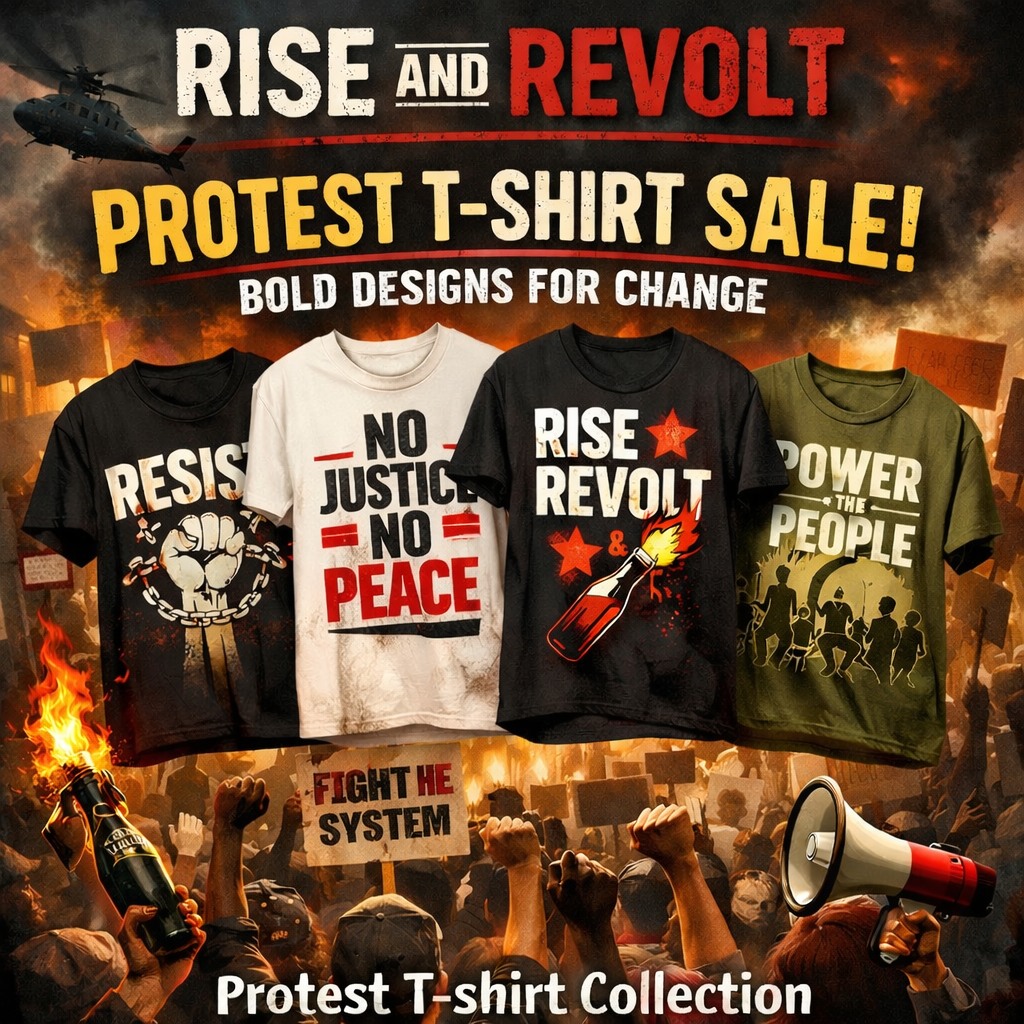
I have seen small shops thrive by focusing on a niche audience of democracy defenders. They sell protest t-shirts that reference specific Supreme Court cases, or shirts that celebrate the Bill of Rights. They also sell coffee, because activism is thirsty work. The combination of apparel and a coffee brand might seem odd at first, but it makes sense. Both are products that people consume daily, and both can carry a message. A mug that says "Free Speech" next to a shirt that says "Resist" creates a cohesive identity for the wearer. It turns a single purchase into a lifestyle statement.
What Makes Good Free Speech Apparel
Not all free speech apparel is created equal. Over the years, I have learned a few things about what works and what does not. Here are some practical observations:
- The message should be clear at a glance. If someone has to read a paragraph to understand your shirt, it will fail. A good design communicates instantly.
- Quality matters. A cheap shirt that falls apart after two washes undermines your message. You are asking someone to be a walking billboard; the billboard should hold up.
- Satire works best when it is funny first and political second. If the humor is forced, the message feels like a lecture.
- Know your audience. A design that resonates with one group might alienate another. That is fine, as long as you are intentional about it.
- Price should be fair. Activist apparel is not just a product; it is a tool for change. Overpricing it excludes the people who need it most.
These principles apply whether you are buying a shirt for yourself or designing one to sell. The goal is to create something that people want to wear, not something they feel obligated to wear. Free speech apparel should feel like a choice, not a burden.
The Role of Protest Signs and Beyond
Protest signs have been the traditional medium for political messages at rallies. But signs are temporary. You hold them for a few hours, then you throw them away. Free speech apparel is different. It can be worn to work, to the grocery store, to a family dinner. It extends the life of the protest beyond the event. It keeps the conversation going in places where people might not expect it.
I have seen a simple shirt start a dialogue between strangers on a bus. I have seen a satirical design defuse a tense moment with laughter. That is the quiet power of this medium. It does not always shout. Sometimes it whispers, or winks. But it is always there, reminding people that free expression is a right worth defending.
The free speech movement is not just about the big court cases. It is about the everyday acts of defiance that keep the idea of civil liberties alive. Wearing a shirt that says something unpopular is one of those acts. It costs you nothing but a few dollars and a bit of courage, but it contributes to a culture where dissent is normal. That is why stores like Rise and Revolt exist: to provide the tools for that everyday resistance.
Looking Ahead
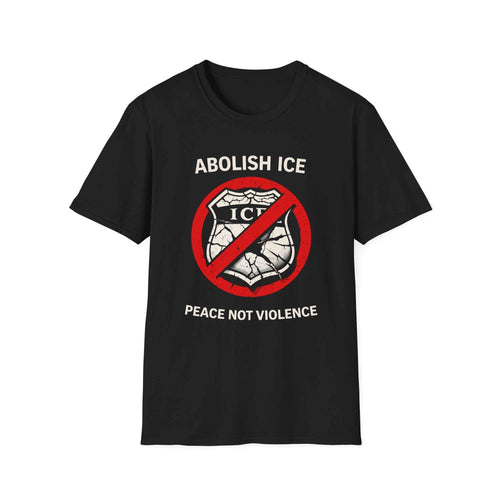
As the political landscape shifts, the demand for free speech apparel will only grow. New threats to free press and social justice will inspire new designs. The Supreme Court will continue to define the boundaries of the First Amendment. And people will continue to use their clothing as a form of protest. The only question is whether we will support the infrastructure that makes it possible.
So the next time you see a shirt that makes you think, or laugh, or cringe, remember that it is more than a piece of fabric. It is a small act of democracy. And if you choose to wear one yourself, you are joining a long line of democracy defenders who used their voices, their bodies, and their clothes to say something that mattered.